Updating Your Business Plan: A Step-by-Step Guide
Embarking on a new business venture is an exciting journey filled with strategic planning, calculated risks, and continuous adaptation. However, even the most meticulously crafted business plans may need to evolve over time in response to market changes, shifting customer preferences, or new opportunities. Altering your business plan is not a sign of failure, but rather a testament to your flexibility and commitment to sustainable growth. Let's delve into the intricacies of changing a business plan, ensuring that your venture remains agile and responsive in the dynamic business landscape.
Before we dive into the specifics of changing your business plan, it's crucial to understand the reasons why businesses might need to pivot their strategies. Some common triggers include market fluctuations, technological disruptions, changes in consumer behavior, regulatory shifts, or simply realizing that your initial business model isn't as viable as you'd hoped. Whatever the catalyst, recognizing the need for change and acting promptly is the key to remaining competitive and relevant.
The Art of Pivoting: When and Why to Change Your Business Plan
Timing is everything when it comes to changing your business plan. Altering your strategy too early can lead to wasted resources, while doing so too late might result in missed opportunities or even business decline. Therefore, it's essential to strike a balance between being adaptable and remaining consistent with your vision. Regularly reviewing your business plan, conducting market research, and staying updated with industry trends can help you identify the optimal time for a strategic shift.


Understanding your 'why' is another critical aspect of changing your business plan. Are you pivoting to capitalize on new opportunities, or are you adjusting your strategy to mitigate substantial risks? Answering this question will help you navigate the change process more effectively and maintain focus on your end goals.
Identifying Market Gaps and Opportunities
One of the primary reasons for changing a business plan is spotting new market gaps or opportunities that were previously unexploited. These could be new customer segments, untapped geographic markets, or innovative product/service niches. By identifying these openings, you can pivot your business plan to capitalize on them and expand your reach.


However, it's vital to validate these new opportunities and ensure they align with your core competencies and values. Conduct thorough market analysis, gather consumer insights, and assess the competition before making a significant shift in strategy.
Adapting to Market Fluctuations and Risks
Market conditions can change rapidly, presenting both threats and opportunities. In such scenarios, changing your business plan might be necessary to mitigate risks, protect your profits, or safeguard your market position. This could involve altering your product or service offerings, adjusting your pricing strategy, or revising your target audience.
To successfully navigate market fluctuations, maintain a risk management plan that helps you anticipate and prepare for potential challenges. Regularly review and update your plan to ensure it remains relevant and responsive to the evolving market dynamics.


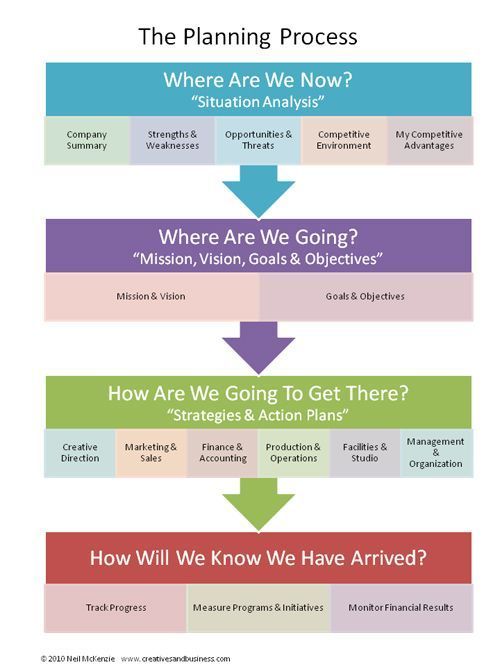


Revising Your Business Model: Steps to Changing Your Business Plan
Once you've established the need for change and identified potential directions for pivoting, it's time to revise your business plan. This process involves several steps, from assessing your current strategy to developing a new roadmap for growth.
During this phase, it's crucial to involve all relevant stakeholders, such as your team, investors, and even your customers. Their insights and perspectives can provide valuable guidance and help ensure a smooth transition. Here's a step-by-step guide to assist you in changing your business plan:
1. Evaluate Your Current Business Plan
Begin by assessing your existing business plan's strengths, weaknesses, opportunities, and threats (SWOT analysis). Identify what's working and what's not, and pinpoint any gaps that need filling. This evaluation will serve as a foundation for your revised business plan and help you set realistic goals for the future.


Moreover, don't forget to review your business metrics and KPIs to gain a clear understanding of your company's performance. These data points will help you make informed decisions and track your progress once you've implemented your new business plan.
2. Set Clear Goals and Objectives
Before you start drafting your revised business plan, establish well-defined goals and objectives that align with your new strategy. These should be SMART (Specific, Measurable, Achievable, Relevant, and Time-bound) and serve as a roadmap for your company's future growth. Clearly communicating these objectives to your team and stakeholders will help everyone stay focused and motivated during the transition.
Additionally, ensure that your goals are scalable and adaptable, allowing for further changes and expansions as your company evolves. This flexibility will enable you to respond more effectively to the ever-changing business environment.
3. Develop Your New Business Model
With your goals and objectives in place, it's time to create a new business model that supports your revised strategy. This could involve varying your product or service offerings, adjusting your value proposition, or even changing your business structure. To develop a robust business model, ask yourself the following questions:
- Who is our target audience, and what are their pain points or needs?
- How do we create value for our customers, and how will we capture value in return?
- What resources and capabilities do we need to operate effectively, and how will we acquire or develop them?
- How will we generate revenue, and what are our projected costs and profits?
By meticulously answering these questions, you'll create a solid foundation for your new business model and ensure that it supports your revised business plan.
4. Plan Your Implementation Strategy
Once you've developed your new business model, create a detailed implementation plan outlining the steps needed to bring your revised business plan to life. This should include timelines, milestones, and any required resources or investments. Break down your plan into smaller, manageable tasks and assign responsibilities to specific team members to ensure accountability and efficiency.
Additionally, establish a communication plan to keep your team, investors, and customers informed about the changes and their impacts. Effective communication will help minimize disruptions and encouraging buy-in from all stakeholders.
5. Monitor, Review, and Adjust
Implementing a new business plan is not a one-and-done endeavor. Instead, it's an ongoing process that requires continuous monitoring, reviewing, and adjusting. Regularly track your progress using the KPIs and metrics you defined earlier, and be prepared to make data-driven adjustments as needed.
Furthermore, foster a culture of open communication and feedback, encouraging your team to share insights and ideas that could help refine your revised business plan. By remaining adaptable and responsive, you'll ensure that your company continues to thrive in the face of changing circumstances.
In an ever-evolving business landscape, the ability to change a business plan is a critical skill that sets successful enterprises apart. By staying informed, assessing your environment, and maintaining a forward-looking perspective, you'll be well-equipped to navigate the challenges and opportunities that lie ahead. So, embrace the art of pivoting, and let your revised business plan be the compass that guides your company toward sustained growth and prosperity.
Related Articles

Upgrade RV lighting: Swap Halogen for LED – Your Step-by-Step Guide
Considering the RVing lifestyle's growing popularity, it's crucial to ensure your recreational vehicle is safe, energy-efficient, and maintains its aesthetics...

Revolutionize Your Operations: The Definitive Guide to Changing Business Processes
In the dynamic landscape of modern business, change is not just an inevitable force, but a strategic necessity. Business processes, like living organisms, need...

Re-Purposing Your Business: A Guide to Changing Your Business Purpose
Embarking on a new business journey often begins with a shift in purpose. Changing your business purpose isn't just about altering your 'about us' page; it's a...

DIY: Add a Door to Your Hallway – Step-by-Step Guide
Ever found yourself in a home where an extra doorway could enhance flow and connectivity? The question, "Can you add a door to a hallway?" is a common one for...

Build Your Own BBQ Grill: Step-by-Step Guide
Transitioning from a charcoal or gas grill to a built-in BBQ grill can significantly enhance your outdoor cooking experience, providing lasting durability and...

Build Your Dream Outdoor Bar: A Step-by-Step Guide
Dreaming of hosting al fresco soirees and enjoying a cocktail under the stars? Then, building an outdoor bar could be your secret to the perfect summer...