Can You Smoke Brisket on a Regular Grill?
Craving the tender, smoky deliciousness of brisket, but your trusty smoker is in for a cleaning? You're in luck. While a regular grill isn't the traditional tool for smoking a brisket, with the right technique and patience, it's absolutely possible to achieve delightful results. Let's dive into the world of ' grill-smoked' brisket, exploring the methods, timeframes, and tips to make your grilled brisket a showstopper.
First things first, understand that smoking on a regular grill is a compromised process. Unlike dedicated smokers, grills lack insulation and direct heat control, which means you'll need to improvise to maintain a steady, low cooking temperature. But fear not, as even with these limitations, you can create an incredible barbecue experience. So, let's get started!
Preparation: Choosing the Right Grill and Brisket
Not all grills are created equal, and the same holds true for briskets. To start, consider your grill's size and type. Charcoal grills tend to withstand low-and-slow cooking better than gas grills, but with some tweaks, both can work. As for the brisket, select a well-marbled whole or flat cut, as the fat renders down during cooking, basting the meat and keeping it moist and tender.


Aim for a brisket that's at least 3-4 inches thick at the fattiest part. Thinner cuts will cook quicker, but you might not achieve the same depth of flavor. Now that you've got your tools and ingredients, it's time to prep your brisket.
Trimming and Seasoning
Start by trimming excess fat from the surface of the brisket, leaving about 1/4 inch of fat for flavor and insulation. Remove the fat cap, or any large, thick slabs of fat. Score the fat remaining on the surface to prevent shrinkage and create cracklings. Season your brisket generously with your preferred rub, ensuring all sides are well-covered. Spare no effort here; remember, your seasoning is your primary flavoring agent in this indirect cooking process.


Once seasoned, let your brisket rest, uncovered, in the refrigerator for at least 6 hours, or preferably overnight. This step allows the salt to penetrate the meat and the seasoning to set. Now, you're ready to light up the grill!
Set Up Your Grill for Indirect Heat
Arrange your grill's heat source on one side or opposite corners to create an indirect cooking area in the center. If using a charcoal grill, fill one side with unlit charcoal, and ignite it about 30 minutes before cooking. For gas grills, turn on one burner to medium-high, or light one side of your charcoal grate. Preheat both types of grills to around 250°F (120°C).
To maintain this low temperature over several hours, consider using a heat baffle made from aluminum foil or a pizza pan, or Bank the charcoal to one side and add briquettes as necessary. On gas grills, place a heavy-duty aluminum foil pan under the grate to reflect heat, or use a pizza stone to disperse heat. Keep an eye on your grill's temperature, adjusting airflow or fuel as needed.


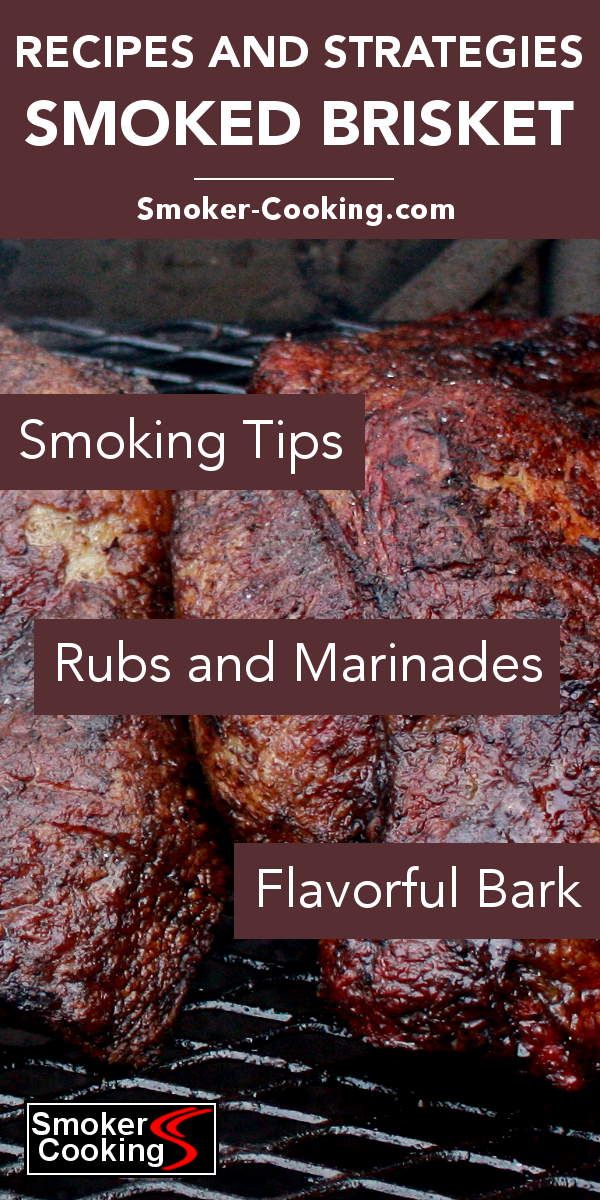


Smoking Your Brisket: The basse temps Method
The key to a tender, smoky brisket on a regular grill is patience and low, consistent heat. Unlike high-heat searing, which wpuld burn your seasoning and cause flare-ups, 'basse temps' is all about slowly rendering fat and breaking down connective tissues within the meat. It's a process that takes time, so let's set up a manageable plan.
First, prepare your wood chips or chunks. For charcoal grills, soak your chosen wood in water for 30 minutes, then drain them before placing on the hot coals. Gas grills require a smoker box or making a pouch from aluminum foil to hold the wood chips. Place your soaked or dry wood chips directly on the heat source, adjusting the placement if needed to generate smoke.
The 2-2-1-1 Method
Here's where you'll spend a good chunk of your day: the 2-2-1-1 method. It's a simple breakdown that reads like a timeline, representing hours of cooking. This method involves smoking your brisket at 250°F (120°C) for 2 hours, then wrapping in butcher paper or foil, and continuing to cook for another 2 hours. Unwrap the brisket, and cook for an additional 1 hour at the same temperature. Let it rest for 1 hour before serving.


The key to this method lies in the wrapping stage, which helps retain moisture and quickens cooking times. After 2 hours of smoking, wrap your brisket tightly in butcher paper or aluminum foil, then return it to the grill. Proceed with the remaining 2 hour smoke, 1-hour unwrapped cook, and rest as outlined. This generally takes around 8-10 hours for a 12-14 pound brisket, but be prepared for adjustments, as weight and thickness can vary.
Monitoring Internal Temperature
Invest in a reliable thermometer, preferably a leave-in model, to monitor your grill's temperature and your brisket's internal temperature. Take the guesswork out of cooking by using a thermometer to ensure your grill's heat remains consistent and to monitor your brisket's internal temperature. Aim for an internal temperature between 205-215°F (96-102°C) when using the 2-2-1-1 method.
Keep in mind that the internal temperature may not stop rising immediately after removing from the grill. This 'carryover cooking' can push your brisket's final internal temperature another 5°F (2°C) or so. It's crucial to track this carefully to prevent overcooking.
After a full day on the grill, your brisket is finally ready. Let it rest for at least 1 hour, then unwrap and slice against the grain for the ultimate, tender experience. And with that, your 'grill-smoked' brisket journey comes to an exciting end! Looking to refine your technique? Consider exploring different woods, rubs, and wrapping methods. Who knows? You might just discover your unique twist on backyard brisket magic.
Related Articles

Smoking Food on a Regular Grill
It's a common question among grilling enthusiasts: can you smoke food on a regular grid? The answer is yes, you can! With a bit of improvisation and the right...
Mastering Kamado: A Step-By-Step Guide to Smoking a Perfect Brisket
Are you a smoker who's eager to infuse your love for grilled meats with a hint of modern excellence? Then you might be wondering, "Can you smoke a brisket on a...

Turkey Grill: Can You Smoke on Regular Grill?
Gearing up for a backyard gathering and wondering if you can smoke a turkey on a regular grill? Absolutely, you can enhance your grilling game by learning how...

Smoke Ribs Like a Pitmaster: Grill at Home
Ever craved delicious, tender ribs but thought you needed a smoker to achieve that perfect, fall-off-the-bone result? Think again! With a little creativity and...

Smoke Meats Like a Pro: Grilling Tips for Your Regular Grill
Have you ever wondered if your trusty, everyday grill can double as a meat-smoking station? After all, who wouldn't want to add a layer of smoky depth to their...

Smoke Meat on Regular Gas Grill: A Surefire Guide
If you're a carnivore with a craving for succulent, smoky meats, you might wonder: "Can I smoke meat on a regular gas grill?" While gas grills aren't usually...